VENEER PORCELAIN COATING ISTANBUL | DENTIST
Veneer porcelain coating treatment in Istanbul Gaziosmanpaşa. Aesthetic smile in 1-2 sessions! Call Dental Clinic now for price and appointment.
Dt. Emrah Çuçanlar
Dentist · 13 August 2026
> **Dis Tabibi Clinic** in Gaziosmanpaşa, Istanbul offers porcelain veneer treatment — ultra-thin ceramic shells bonded to the front surface of teeth to correct discoloration, chips, gaps, and uneven shapes. Under the care of Dr. Emrah Çuçanlar, veneers deliver a natural-looking, durable smile transformation in as few as two clinical visits. Consult your dentist to learn if veneers are right for you.
What Are Dental Veneers? Understanding Porcelain Shells and Their Purpose
Dental veneers, known in Turkish as *porselen kaplama* or *diş kaplama*, are wafer-thin shells of medical-grade porcelain or composite resin that are custom-crafted and permanently bonded to the visible front surface of a tooth. They are one of the most widely requested cosmetic dentistry solutions in Istanbul, valued for their ability to address a wide range of aesthetic concerns without requiring extensive structural intervention. When designed and placed correctly, they are virtually indistinguishable from natural tooth enamel.
The primary reason patients seek veneers is to resolve concerns that cannot easily be corrected by whitening alone. These include deep intrinsic staining, minor chips or fractures, small gaps between teeth (diastema), slightly misaligned teeth, and teeth that appear too short or irregularly shaped. Because each veneer is custom-fabricated in a dental laboratory to match the color, size, and contour of the surrounding dentition, the final result is a cohesive, balanced smile that looks entirely natural.
At Dis Tabibi Clinic in Gaziosmanpaşa, the veneer process begins with a thorough clinical assessment. Dr. Emrah Çuçanlar and the team evaluate the health of the teeth and gums, take digital impressions, and work with patients to establish realistic aesthetic goals before any preparation begins. This consultation-first approach ensures that each treatment plan is genuinely personalized rather than generic.
As of 2026, porcelain veneers remain one of the most evidence-backed cosmetic dental procedures available, with decades of clinical literature supporting their longevity and biocompatibility when properly placed and maintained. The ceramic materials used today are stronger and more lifelike than earlier generations, meaning patients in Istanbul can expect both beauty and durability from a well-executed veneer treatment.
Types of Veneers: Porcelain, Composite, and Ultra-Thin Options
Not every veneer is the same, and understanding the differences between available types helps patients make an informed decision. The most common category is the traditional feldspathic porcelain veneer, which is fabricated entirely in a dental laboratory. These offer exceptional translucency and are widely regarded as the gold standard for smile aesthetics because they closely mimic the light-reflecting properties of natural enamel.
A second popular category is the pressed ceramic veneer, often referred to by brand names such as *e.max*. These are milled or pressed from lithium disilicate ceramic, offering very high strength alongside excellent aesthetics. They are particularly well suited for patients who clench or grind their teeth mildly, as the material is more fracture-resistant than traditional feldspathic porcelain. Dr. Emrah Çuçanlar, with over 16 years of clinical experience in cosmetic and restorative dentistry, helps patients determine which material profile best suits their bite, lifestyle, and aesthetic priorities.
Ultra-thin or "no-prep" veneers represent another modern option. As of 2026, these are increasingly refined, requiring minimal to no removal of the natural tooth enamel before bonding. Because they are often as thin as 0.2–0.3 millimetres, preparation is either avoided entirely or kept to an absolute minimum, making them a more conservative choice for patients who prefer to preserve as much natural tooth structure as possible. Consult your dentist to determine whether your tooth anatomy and alignment make you a suitable candidate for this approach.
Composite resin veneers are an additional option often completed chairside in a single appointment. While less durable and stain-resistant than ceramic alternatives, they offer a more accessible entry point for patients who wish to preview their smile transformation before committing to porcelain. At Dis Tabibi Clinic in Gaziosmanpaşa, Istanbul, the clinical team discusses all available options openly during the initial consultation so that patients can weigh the long-term trade-offs of each material with full transparency.
The Veneer Treatment Process: From Consultation to Final Placement
The veneer process at Dis Tabibi Clinic typically unfolds across two to three appointments, depending on the number of teeth being treated and the complexity of the case. The first appointment is dedicated to diagnosis and planning. Dr. Emrah Çuçanlar reviews digital photographs, takes intraoral scans or traditional impressions, and in many cases uses digital smile design software to show the patient a projected outcome before any tooth is touched. This preview stage is a cornerstone of patient-centred care.
During the preparation appointment, a small amount of enamel — typically 0.5 to 0.7 millimetres — is gently removed from the front surface of each tooth receiving a veneer. This step creates space for the veneer to sit flush with the surrounding teeth rather than appearing bulky. Temporary veneers are placed to protect the prepared teeth while the permanent restorations are being fabricated in the dental laboratory, which usually takes one to two weeks.
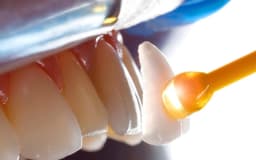
At the final bonding appointment, the permanent veneers are tried in for fit, shade, and symmetry before being adhesively cemented. The dentist uses a light-cured resin cement that creates a strong, durable bond between the ceramic shell and the tooth surface. Fine adjustments to the bite and contour are made chairside, and the patient leaves with a fully transformed smile in a single session. The process is designed to be comfortable, precise, and as minimally invasive as clinically appropriate.
Istanbul has become a recognized hub for high-quality cosmetic dentistry, attracting both local patients from across the city and international visitors seeking specialist care combined with competitive value. Gaziosmanpaşa, as a well-connected district of Istanbul, offers excellent accessibility for patients travelling from different parts of the city or arriving from abroad. To arrange your assessment, visit the Randevu Al page and select a time that suits your schedule.
Caring for Your Veneers: Longevity, Maintenance, and What to Expect
With correct care, porcelain veneers placed by an experienced clinician can last between ten and twenty years, and in many cases even longer. The most important maintenance habits are consistent oral hygiene — brushing twice daily with a non-abrasive fluoride toothpaste and flossing daily — and attending scheduled dental check-ups and professional cleanings. At Dis Tabibi Clinic in Gaziosmanpaşa, every veneer patient receives a personalised aftercare protocol at the end of their treatment.
Patients should be mindful of certain habits that can place undue stress on veneers. Biting directly into very hard foods such as raw carrots, hard crusty bread, or ice can risk chipping the ceramic. Similarly, using the teeth as tools — to open packaging, for example — is strongly discouraged. If you experience bruxism (teeth grinding or clenching, particularly during sleep), your dentist may recommend a custom-fitted night guard to protect both the veneers and the underlying teeth. Consult your dentist if you notice any sensitivity, loosening, or change in bite after your veneers are placed.
One common question concerns staining. Porcelain veneers are highly resistant to discoloration from coffee, tea, and red wine because the glazed ceramic surface is non-porous. However, the natural teeth that are not covered by veneers can still stain over time, which is why patients are often advised to maintain consistent whitening habits for the untreated teeth and to avoid excessive consumption of heavily pigmented foods and beverages immediately after placement.
As of 2026, advances in ceramic bonding technology and surface-treatment protocols have significantly improved the long-term adhesion of veneers to enamel, reducing the already-low risk of debonding. Learn more about the clinical team and their approach to cosmetic dentistry by visiting the Doktorlarımız page, where you can review Dr. Emrah Çuçanlar's professional background and areas of expertise before your first appointment.
Frequently Asked Questions
Are dental veneers suitable for everyone?
Veneers are a highly versatile cosmetic solution, but they are not appropriate for every patient. Candidates should have generally healthy teeth and gums, sufficient enamel for the bonding process, and no active decay or severe periodontal disease. Patients with heavy bruxism may need to address the grinding habit first. A comprehensive clinical examination at Dis Tabibi Clinic in Gaziosmanpaşa will determine whether veneers are the most suitable option for your specific needs. Always consult your dentist before proceeding.
How many veneers do I need for a full smile transformation?
The number depends entirely on your smile design goals and which teeth are visible when you smile. Most full smile makeovers address between six and ten upper front teeth, and sometimes include the lower front teeth as well. Some patients only require two to four veneers to correct isolated issues. Dr. Emrah Çuçanlar works with each patient individually to establish a treatment scope that achieves natural balance and symmetry without treating more teeth than necessary.
Is the veneer procedure painful?
The preparation stage involves the removal of a very thin layer of enamel, which is performed under local anaesthesia to ensure patient comfort. Most patients report little to no discomfort during the procedure itself. Some mild sensitivity to temperature may be experienced for a few days after preparation while the temporary veneers are in place, but this typically resolves once the permanent restorations are bonded. If you experience prolonged sensitivity, consult your dentist for a follow-up assessment.
Can veneers fix crooked or misaligned teeth?
Veneers can create the appearance of straighter teeth in mild cases of misalignment, irregular spacing, or teeth that appear slightly rotated. However, they are a cosmetic solution rather than an orthodontic one, and they cannot correct the underlying bone or jaw position. For moderate to severe misalignment, orthodontic treatment is typically recommended first. Your clinician at Dis Tabibi Clinic will provide an honest assessment of whether veneers alone will achieve the result you are looking for.
How do veneers differ from dental crowns?
A veneer covers only the front and visible surface of a tooth and requires minimal enamel removal. A dental crown encases the entire tooth and is typically recommended when a tooth has significant structural damage, decay, or has undergone a root canal. Veneers are the preferred option for aesthetic improvements on structurally sound teeth, as they are far more conservative. Crowns offer greater strength and protection for compromised teeth. Consult your dentist to determine which restoration is clinically appropriate.
How long does the full veneer process take from consultation to placement?
From the initial consultation to the final bonding appointment, the process typically takes two to three weeks. The consultation and preparation can often be completed within one to two visits, and the laboratory fabrication of the porcelain shells generally requires one to two weeks. If you are travelling to Istanbul from another city or country for your treatment, the clinical team at Dis Tabibi Clinic can help you plan an efficient visit schedule. Contact us to discuss your timeline in advance.
Will my veneers look natural?
When designed and placed by an experienced clinician, high-quality porcelain veneers are virtually indistinguishable from natural teeth. The ceramic material is selected and layered to replicate the translucency, shade gradients, and light reflection of natural enamel. Dr. Emrah Çuçanlar's 16+ years of experience in aesthetic dentistry means that smile design is approached with a thorough understanding of facial proportions, tooth morphology, and colour science. The goal at Dis Tabibi Clinic is always a result that looks natural, not obviously cosmetic.
Is there an age requirement for getting veneers?
Veneers are generally recommended for patients whose teeth and jaw development are fully complete, which typically occurs in the late teenage years. For most patients, this means veneers are most appropriate from approximately the age of eighteen onward. There is no upper age limit provided the teeth and supporting structures are healthy. Adolescents seeking cosmetic improvements before development is complete are usually guided toward reversible or interim solutions until the time is right. Consult your dentist to determine the appropriate timing for your individual case.
Ready to explore what a smile transformation can look like for you? Book your book an appointment at Dis Tabibi Clinic in Gaziosmanpaşa, Istanbul, and take the first step toward the smile you deserve.